How a 40-year study in Nairobi, Kenya demonstrates the importance of flexibility in science
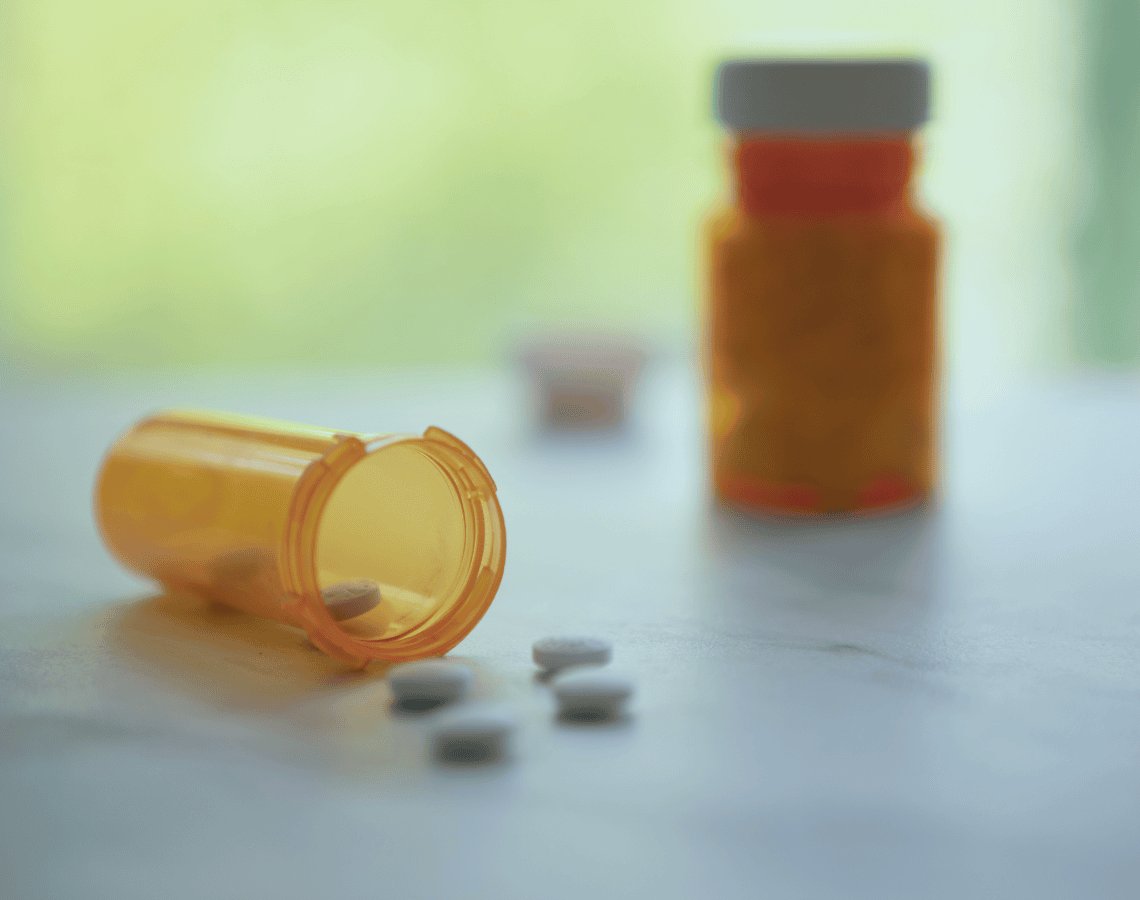
Look inside your medicine cabinet, and you’ll likely find a humble bottle of acetylsalicylic acid — better known as aspirin. It’s an over-the-counter anti-inflammatory drug used to treat everything from headaches to fevers, while also lowering stroke risk. Its ubiquity, low cost, and relative safety mean that it’s one of the most widely used medications globally.
But could it be used to prevent HIV?
After much research, the Aspirin Study (CTN 316) team determined that the answer is ‘no’. However, their efforts proved to be about much more than any single result or virus. It demonstrated why the scientific process is often more about the journey than the destination.
Immune abnormalities
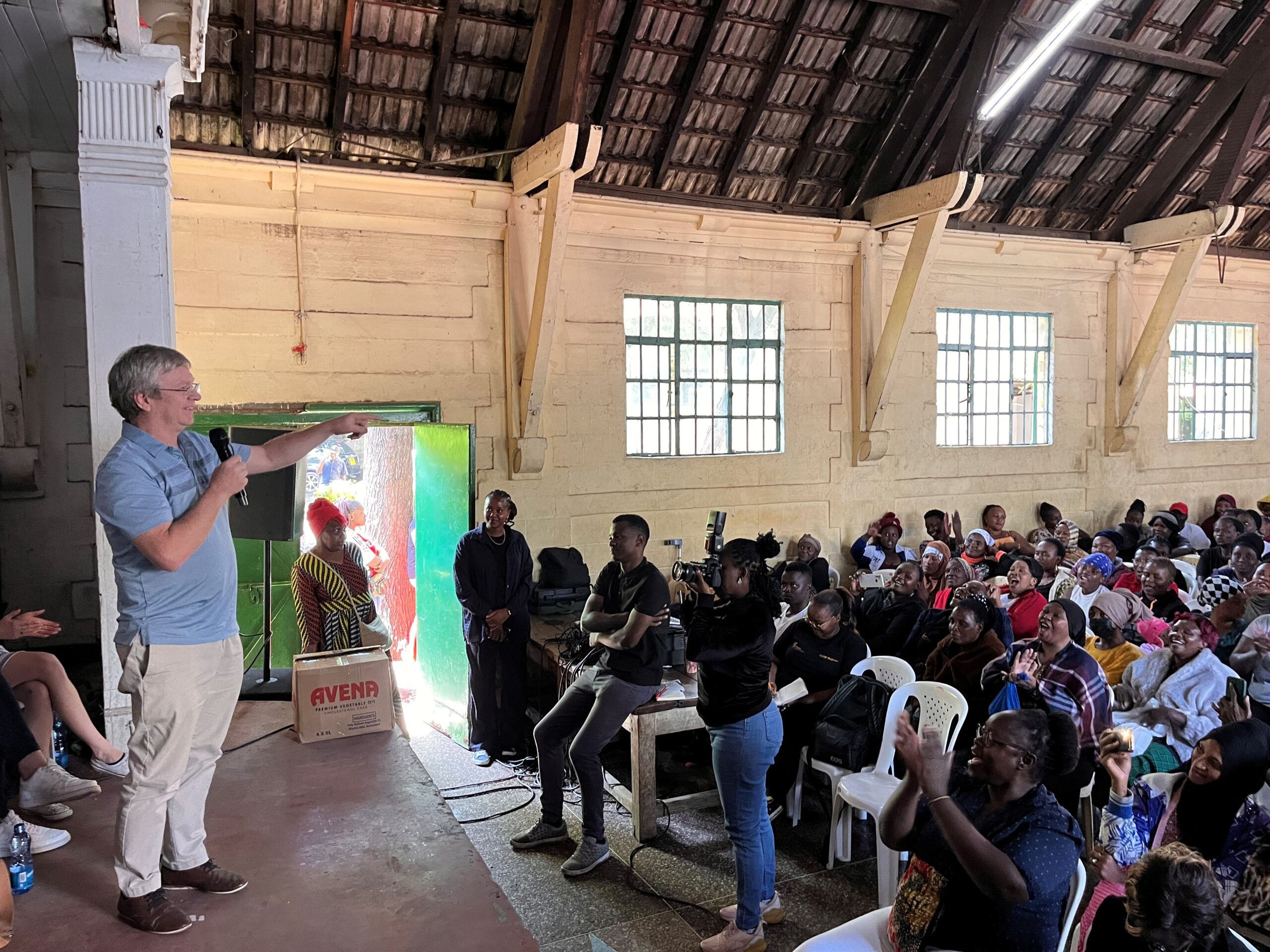
“The goal of the study was to determine if we could reduce inflammation in the female genital tract, because we know that inflammation is a risk factor for HIV,” said CTN+ researcher Dr. Keith Fowke, who began working in Kenya as a PhD student 30 years ago. It began with data from a pilot study in Kenya, which found that some female sex workers were acquiring HIV at a far lower rate than expected.
Why? The answer seemed to be the profession itself.
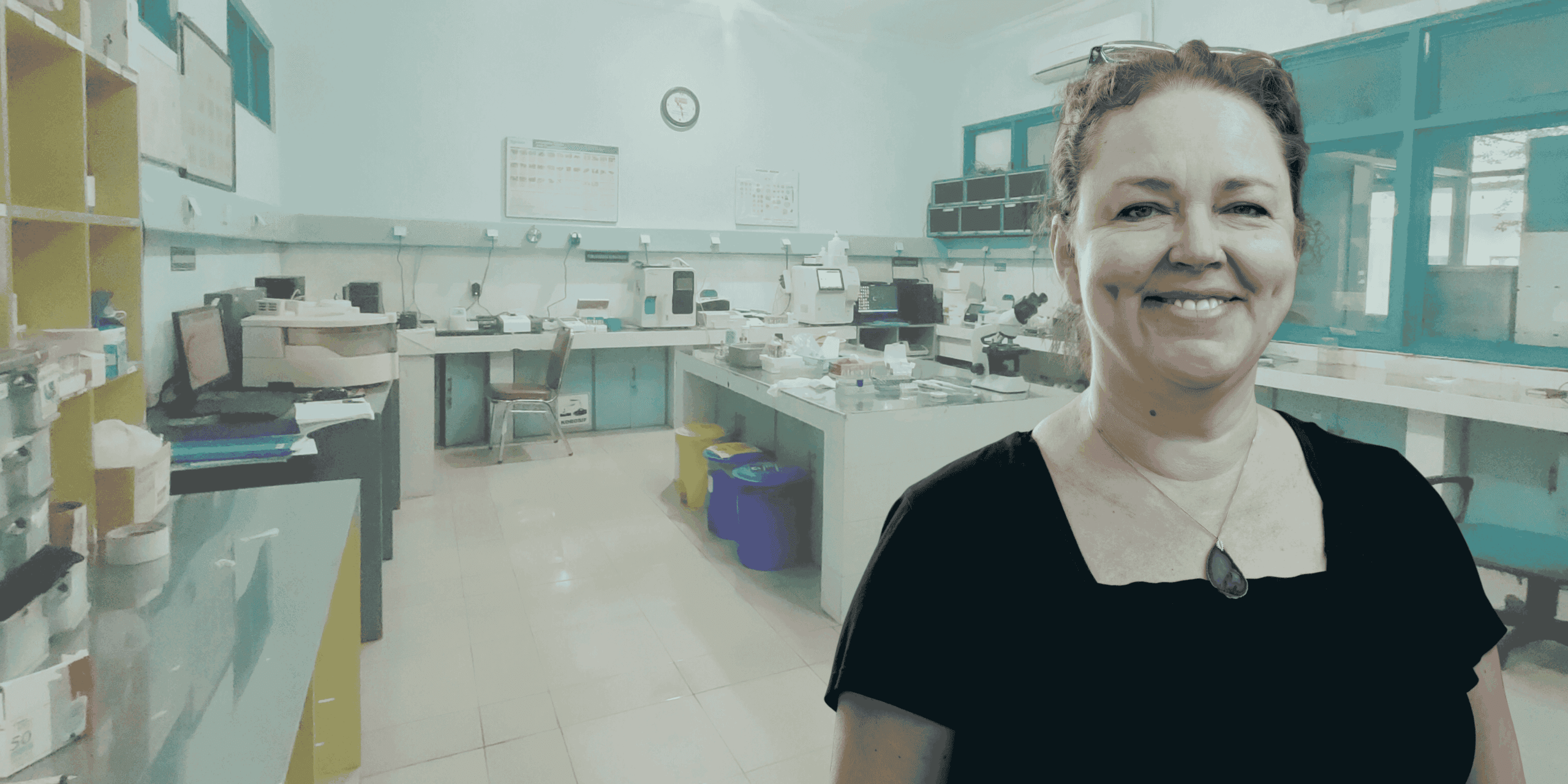
“As soon as a woman officially declares herself a sex worker, we saw that the inflammation in her genital tract lowers,” said Dr. Julie Lajoie, another CTN+ researcher who first became involved in the Kenyan Sex Worker Outreach Program (SWOP) as a lab manager. “It seems to be kind of a defense mechanism. Basically, your immune system says you’re having so much sex that we are going to stop responding every time.” Since HIV works by infecting a type of immune cell called CD4+ T-cells, this decrease in inflammation was effectively reducing the opportunities for these women to acquire an HIV infection.
This finding gave hope that there could be a way to reduce inflammation deliberately, and prevent HIV in the wider population.
The power of community
“The use of aspirin as the anti-inflammatory drug was driven by the community,” said Dr. Fowke. “We said to the community, ‘Here’s a bunch of options, what do you think? And they said, ‘Well, we know aspirin is safe. We know it’s in our community. It’s not stigmatizing.’”
Community involvement has been central to the study since it began 40 years ago. “Before we even put an idea on paper, we talk with the community,” said Dr. Lajoie. “Once a year, we meet with the Community Advisory Board and discuss their priorities and what’s been happening in the labs.”
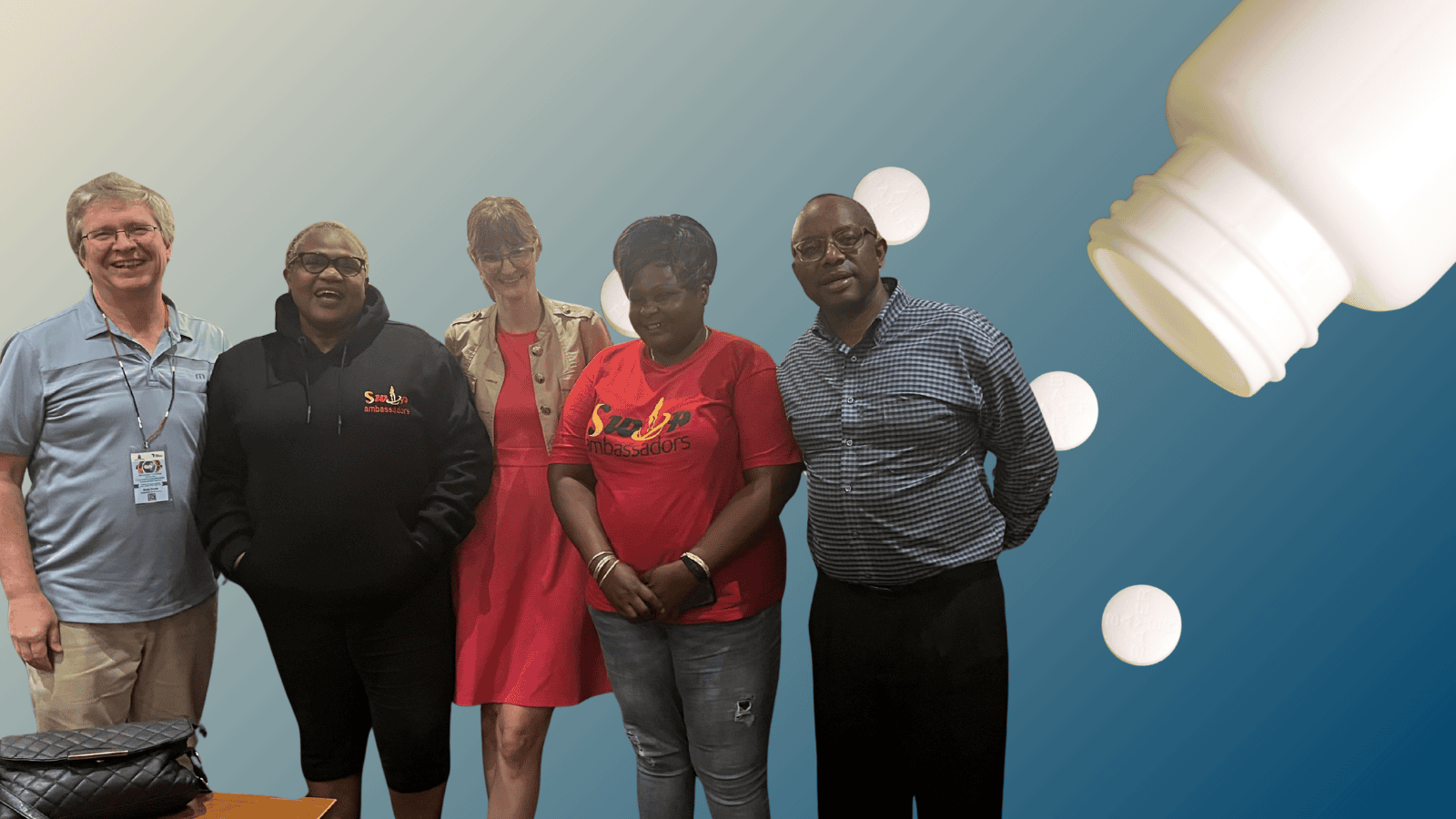
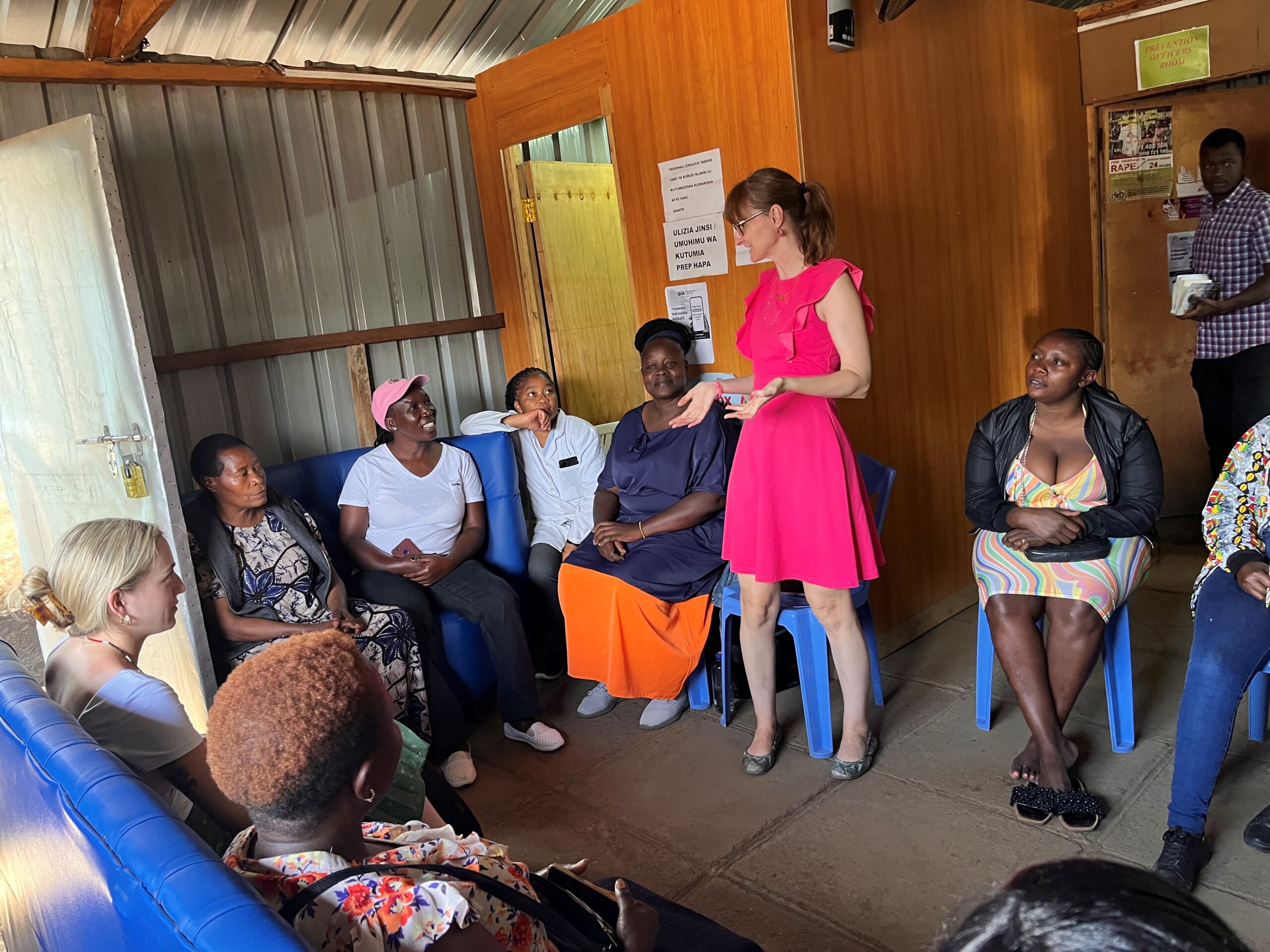
“We also have Joyce Adhiambo and Rosemary Kasiba on the ground. They are female sex workers from the SWOP population,” she continued. “They’re not just participants. They are co-investigators in our study. They are involved in every step: writing the proposal, reviewing it, developing our questionnaires, our consent forms, and so on.”
By involving the community at every stage in the research process, it ensures the work done by the SWOP actually benefits the people participating. “At the end of the day, the people with lived experience are the ones who make the decisions on what has to change, what’s acceptable for them, and what has an impact on them,” said Dr. Lajoie.
How low can you go?
The team began with an initial six-week study that investigated the impact of aspirin on immune cells in members of Kenya’s general population. The results from that were promising, so they continued on to a larger-scale six-month study where over 300 female sex workers were given different doses of aspirin.
But as promising as aspirin seemed in HIV prevention, once the data were collected, it just didn’t seem as effective as initial results had suggested. “When we looked at the community that was at higher risk of getting HIV — female sex workers — we didn’t see a very strong impact on HIV target cells,” explained Dr. Fowke. “Overall, there’s one little signal that might be interesting, but the impact of aspirin on HIV acquisition is not as universal as we had hoped.”
“Aspirin is an anti-inflammatory, so for it to work, there has to be significant inflammation in the first place,” added Dr. Lajoie. “The inflammation in a female sex worker’s genital tract is already low, and aspirin just can’t make it go lower than that.”
So, while the hypothesis that aspirin could prevent HIV infection in sex workers had been disproven, the data did suggest a promising new direction — it might be able to prevent human papillomavirus (HPV), and cervical cancer along with it.
Pivoting to HPV
“One thing that community members told us, 10–15 years ago, was: ‘A lot of our sisters are passing away because of cervical cancer. Can you do something about that?’ And my initial reaction was, ‘I’m an HIV researcher, not a cancer researcher,’” said Dr. Fowke. But when the data suggested that they might be able to find an effective tool to address this long-standing problem, excitement buzzed through the team.
“That’s the fun thing about science,” Dr. Fowke said with a laugh. “You intend to look in one direction, which might not work out. But then serendipity has you look in another direction.”
Over 75% of sexually active people will acquire some kind of HPV in their lifetime. Despite how common they are, HPV infections rarely have any symptoms. The real problem is that HPV infection can greatly increase the chance of developing certain kinds of cancer, especially cervical cancer.
Since 2006, a very effective HPV vaccine has been available in many parts of the world, but not in Africa. Vaccine roll-out across the continent has frequently been slow and spotty, often missing the people who need it the most. While it has become far more accessible in recent years, the HPV vaccine is most effective when given in adolescence, before exposure to the virus. This means older sex workers in Kenya remain vulnerable to both HPV and cervical cancer.
“The initial results were encouraging,” said Dr. Lajoie, referring to the analysis conducted on the large HIV-focused study. “After five months of being on a low dose of aspirin, more women were able to clear their high-risk HPV infection.” The effect seems to be more pronounced in older women, likely due to overall inflammation levels increasing with age. As a result, the study is now focusing on women over the age of 38.
“What we think is happening is that, in the context of the genital tract where there’s lots of inflammation, the immune system is sort of confused and doesn’t have a concerted, organized way of getting rid of the HPV,” explained Dr. Fowke. “It’s almost too much chaos. When aspirin comes in, it sort of calms down the immune system to some extent. Then the immune system is able to focus more specifically on getting rid of HPV-infected cells.”
Looking forward
The data on aspirin’s impact on HPV acquisition are still very preliminary, based on a sub-analysis of the original HIV dataset. It will take years to test the new hypothesis directly. Dr. Fowke said, “It’s tantalizing, but it’s by no means definitive.”
But if their theory proves to be correct, the impact could be enormous.
“It’s a question of saving lives,” said Dr. Lajoie. “And if that little aspirin pill can do that… well, that would be awesome.”
And her main take away from the 10 years of working on this project? “Involving the community from the start makes the research a lot better and more impactful.” She smiled. “You also form relationships that stay with you. It’s pretty incredible.”
For Dr. Fowke, the Aspirin Study is a reminder that the scientific process is iterative. “Don’t be too focused on your one single research question,” he said. “Be open to other ideas, and other ways and systems that might be working.”